

INDER CHAWLA – BROKER (ABR®, SRS®)
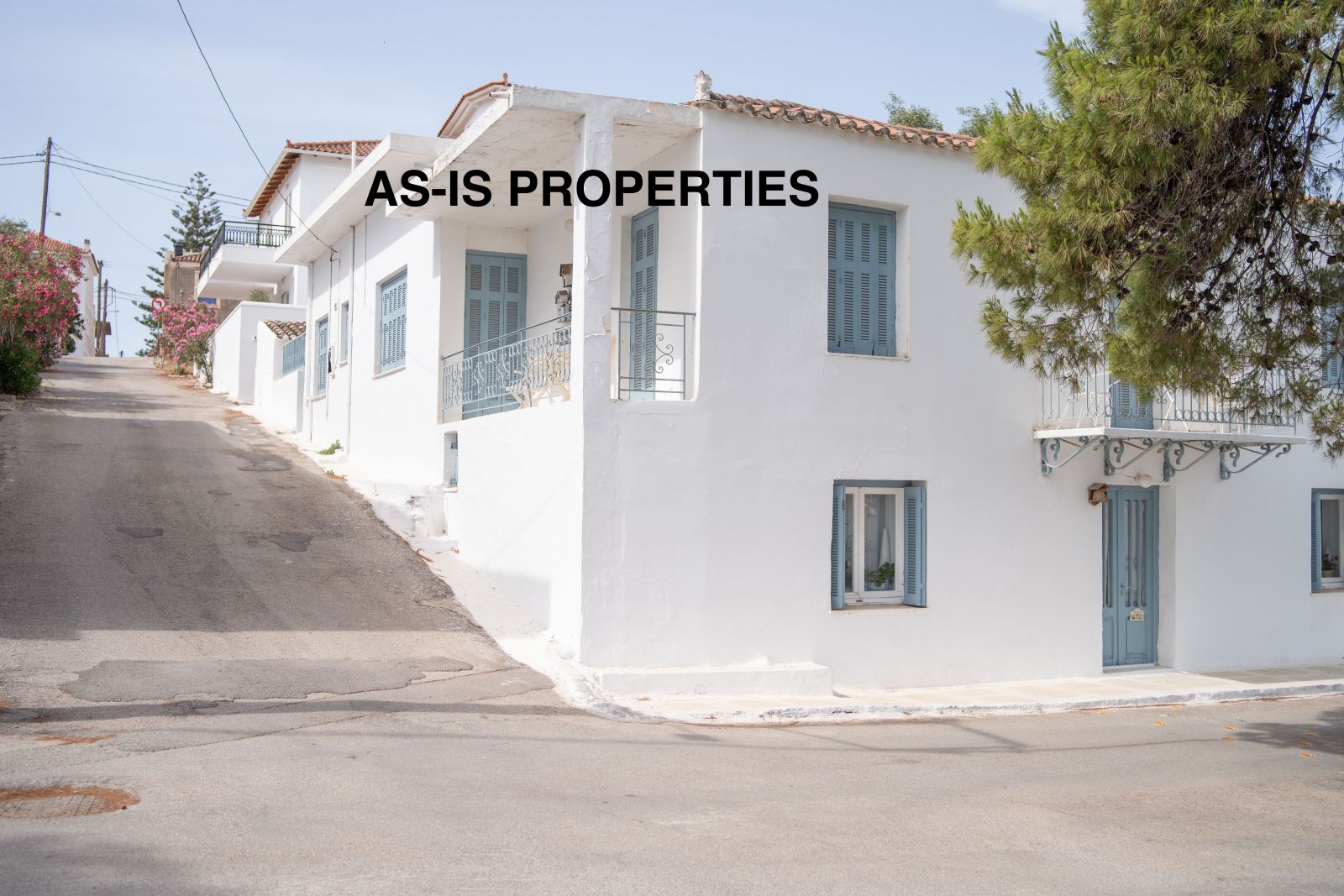
There is a widespread misconception in the real estate industry that an "as-is, where-is" clause provides absolute legal immunity to sellers. Many sellers believe that once this language is inserted into an Agreement of Purchase and Sale (APS), they are completely shielded from any future liability.
On the flip side, buyers are often overly cautious or fearful when viewing an "as-is" listing, assuming they will have zero legal recourse if a major issue surfaces post-closing.
In reality, both assumptions are incorrect.
While holding a seller liable for an "as-is" property creates additional legal hurdles, it does not offer a complete shield or require buyers to forfeit all legal rights if a defect was hidden or misrepresented. For real estate professionals, buyers, and sellers, understanding how Ontario courts interpret these clauses—and how they interact with latent versus patent defects—is essential to managing risk and avoiding post-closing litigation.
Patent vs. Latent Defects: The Critical Difference
To understand the legal limits of an "as-is" clause, you must start with the foundational principle of caveat emptor(buyer beware). Under this doctrine, buyers are responsible for performing their own due diligence to satisfy themselves regarding a property's condition.
However, courts distinguish between two primary categories of property defects:
1. Patent Defects (Visible & Discoverable)
Patent defects are visible issues that can be readily discovered through a basic walkthrough or a routine home inspection.
- Examples: A visible crack in a ceiling, missing tiles in a kitchen, or a broken windowpane.
- Legal Impact: Under caveat emptor, the buyer assumes the risk of patent defects. The seller has no legal obligation to point out or disclose obvious physical flaws.
2. Latent Defects (Hidden & Concealed)
Latent defects are non-obvious issues that cannot be readily discovered by a buyer or home inspector during a standard inspection.
- Examples: Water infiltration behind freshly painted drywall, hidden structural foundation cracks, or severe electrical defects inside walls.
- Legal Impact: Depending on the seller's knowledge and actions, latent defects can bypass "as-is" protections entirely.
What Protection Does an "As-Is" Clause Actually Provide?
Typically, an "as-is" clause explicitly states that the seller makes no representations, warranties, or guarantees regarding the fitness, state, or condition of the property.
In essence, an "as-is" clause reinforces the doctrine of buyer beware. It alerts the buyer that they are taking on the risk of existing wear, tear, and discoverable defects without reliance on the seller's promises.
3 Scenarios Where a Seller Can Still Be Held Liable
Ontario courts consistently rule that an "as-is" clause does not protect a seller in the following three situations:
1. Known Latent Defects Affecting Health & Safety
If a seller knows about a hidden defect that makes the property dangerous, hazardous, or unfit for human habitation—such as toxic mould, structural failures, or severe fire hazards—they have a legal duty to disclose it. Including an "as-is" clause will not protect a seller who remains silent about known safety hazards.
2. Active or Fraudulent Concealment
If a seller actively masks a known defect to prevent discovery, an "as-is" clause becomes void regarding that issue.
- Examples: Installing new drywall solely to hide collapsing foundation walls or painting over dangerous black mould right before listing. Active concealment constitutes fraud, which invalidates contract protections.
3. Misrepresentation or Lies
An "as-is" clause will not protect a seller or listing agent who provides false information when directly asked a question. For instance, if a buyer asks, "Has the basement ever leaked?" and the seller falsely responds "No," the seller can be held liable for fraudulent or negligent misrepresentation.
Best Practices for Buyers, Sellers, and Real Estate Professionals
When negotiating an APS that includes "as-is, where-is" wording, applying these proactive strategies will reduce risk and protect all parties involved:
For Sellers & Seller Representation:
- Avoid Claiming Absolute Immunity: Never assume or advise that an "as-is" clause grants total immunity from future legal claims.
- Encourage Honest Disclosure: If a hidden, dangerous, or non-discoverable defect is known, disclose it in writing to avoid claims of fraudulent omission.
- Be Cautious with Property Statements: Carefully consider whether completing a Seller Property Information Statement (SPIS) is advisable for an "as-is" sale, as inconsistent statements can increase legal liability.
For Buyers & Buyer Representation:
- Insist on Professional Inspections: An "as-is" clause should always trigger a thorough, independent home inspection. If a buyer chooses to waive an inspection, ensure that instruction is documented in writing.
- Submit Questions in Writing: Ask explicit, written questions to the listing agent regarding major components (e.g., plumbing, roof age, foundation history, previous water damage). Sellers are legally obligated to answer truthfully or formally decline to answer.
- Draft Specific Warranties When Needed: If there are specific concerns about key structures or systems, request targeted warranties in the agreement. Even if the seller declines or strikes the clause, asking demonstrates proper due diligence.
Summary
An "as-is, where-is" clause is a tool to clarify that no warranties are provided—not a license to hide dangerous defects or misrepresent property conditions. Encouraging full transparency around hidden defects ensures a smooth transaction and protects both buyers and sellers from costly litigation after closing day.
To learn how these factors impact your real estate journey, turn to Inder Chawla, Real Estate Broker with RE/MAX Gold Realty Inc., for clear advice.
Contact anytime at 647-701-1486 or email at info@homesbyic.com
Disclaimer: The information provided in this article is for educational and informational purposes only and does not constitute financial, investment, or tax advice. While we strive to provide accurate information, tax laws are subject to change and vary by jurisdiction. You should consult with a qualified CPA, tax attorney, or financial advisor before making any decisions based on the content of this blog. Inder Chawla Real Estate Inc. is not responsible for any financial losses or tax penalties incurred.
#GTAMarket #TorontoRealEstate #InderChawlaRealEstate #RealEstateInvesting #CanadianHousing #FirstTimeBuyer #MarketUpdate #OntarioRealEstate #HousingMarket2026 #InvestSmart #RealEstateTips #PropertyInvestment #HomeBuyers #WealthBuilding #NewConstruction #HomeEquity #Financing #CommercialRealEstate #Mortgages #MayMarketReport #HomeSales #Equity #HomeEquity #Renovation #SecondHome #Investment #Rentals #Leasing #Townhouse #Mortgage #HomeAppraisal #Condo #InterimOccupancy #Economy #FixerUpper #Pool #PropertySurvey #As-Is-Properties