
INDER CHAWLA, REAL ESTATE BROKER(ABR, SRS)
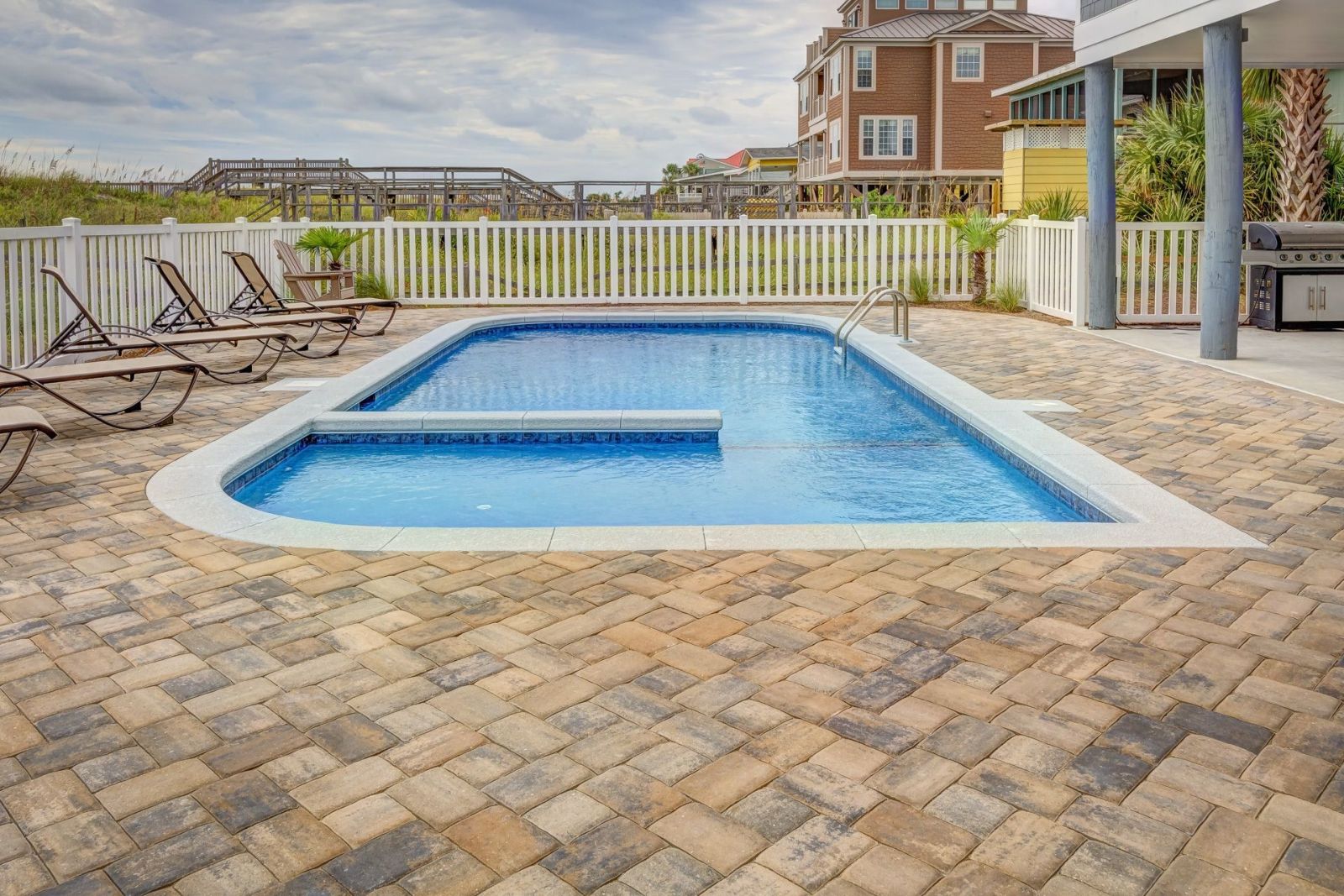
Between soaring summer temperatures and record heat waves becoming more common in nearly every part of Canada, who hasn’t dreamed about having a big, beautiful pool right in their own backyard?
But while a pool can be a private oasis during those hot summer days, if you’re considering buying a home with one, there are a few things you may want to think about before you dive in.
Consider your family’s lifestyle before buying a home with a pool
The first question to ask yourself: is owning a pool a good fit for your lifestyle?
If you take extended vacations every summer or spend your evenings and weekends taking the kids to softball practice, you might not use a pool often enough for it to be worth the time and expense. But if your family loves nothing more than spending warm summer days relaxing in the backyard, having one to splash around in might make for a perfect fit.
What size, type and style do you need?
Next, decide if the pool that’s already there is the right size, style, and type for your family.
For example, is the existing one large enough for your family and friends? Is it the shape you want? Is it located in the right part of the yard? Does it have a traditional chlorine sanitization system, and would you prefer a saltwater pool for easier maintenance and fewer harsh chemicals?
In most cases, it costs more to replace an existing pool than to build a new one. So, if the existing pool isn’t big enough, isn’t the right type or doesn’t have the features you want, it may make more sense to buy a home without a pool and have a new one installed instead—or to continue searching.
What condition is the pool in?
It’s also a good idea to find out everything you can about the condition of the pool. Is it in good shape? Are there any cracks or big-ticket repairs that need to be fixed in the next two, five, or 10 years? How many years does it have left?
If the pool is above-ground, the condition and longevity may not be as important, because it’s usually much easier to remove, repair or replace an above-ground pool than an in-ground model. But if it is a permanent, in-ground feature of the home, it’s almost certainly worth taking a little extra time to find out exactly what state it’s in before you make any final decisions.
Some problems, like rust or damage underneath the liner, can also be hard for anyone but an expert to spot. So, if you aren’t sure what condition the pool is in, you may want to hire an inspector to take a closer look.
A pool inspection would be in addition to your home inspection—they’re separate professions. In fact, don’t be surprised if your home inspector includes a disclaimer that states they’re not liable if there ends up being any damage to the pool.
Here are some questions you can ask when you’re looking at a home with a pool, before you call in an inspector:
- Is the pool builder’s warranty still in effect? If so, for how much longer?
- Can the current owners provide a water utility bill from the previous summer to verify the water consumption?
- How often was maintenance and upkeep performed on the filter?
- What sanitation system is being used, when was it installed, and are there any issues with it?
- How often was maintenance and upkeep performed on the entire pool?
- Does the pool have a heating system that’s in working condition?
- Is the pump working properly, including the timer?
- How old is the pool?
- Have there been issues with mold or other substances in the past?
- Have you ever had to deal with cracks in the pool or damages to the lining?
What costs come with having a pool?
Unfortunately, all the fun and freedom of owning a pool doesn’t come cheap.
Between cleaning, maintenance and repairs, the cost of opening and closing your pool each year, the inevitable bump in your homeowner’s insurance premiums, and all the equipment and accessories you’ll need to buy, owning a pool can cost anywhere from a few hundred to several thousand dollars a year.
There are many variables when it comes to the cost of running a pool. On the low end, a pool can cost $1,000 annually. On the high end, $8,000. Energy-efficient equipment lowers the cost, and staying on top of water chemistry can prevent unnecessary expenses. Pool use, size, equipment, and whether you maintain it yourself or hire a professional to manage it for you can also all add to the cost.
Monthly costs can also vary considerably depending on the type of sanitization system the pool uses. While saltwater pools generally cost more upfront to install, for instance, they’re also usually much cheaper and easier to clean and maintain than a chlorinated pool.
On the plus side, while market trends vary and not every buyer wants a pool, it can boost your home’s curb appeal when marketed properly. This is especially true if you live in an area with long, hot summers.
Contact anytime at 647-701-1486 or email at info@homesbyic.com
Disclaimer: The information provided in this article is for educational and informational purposes only and does not constitute financial, investment, or tax advice. While we strive to provide accurate information, tax laws are subject to change and vary by jurisdiction. You should consult with a qualified CPA, tax attorney, or financial advisor before making any decisions based on the content of this blog. Inder Chawla Real Estate Inc. is not responsible for any financial losses or tax penalties incurred.
#GTAMarket #TorontoRealEstate #InderChawlaRealEstate #RealEstateInvesting #CanadianHousing #FirstTimeBuyer #MarketUpdate #OntarioRealEstate #HousingMarket2026 #InvestSmart #RealEstateTips #PropertyInvestment #HomeBuyers #WealthBuilding #NewConstruction #HomeEquity #Financing #CommercialRealEstate #Mortgages #MayMarketReport #HomeSales #Equity #HomeEquity #Renovation #SecondHome #Investment #Rentals #Leasing #Townhouse #Mortgage #HomeAppraisal #Condo #InterimOccupancy #Economy #FixerUpper #Pool